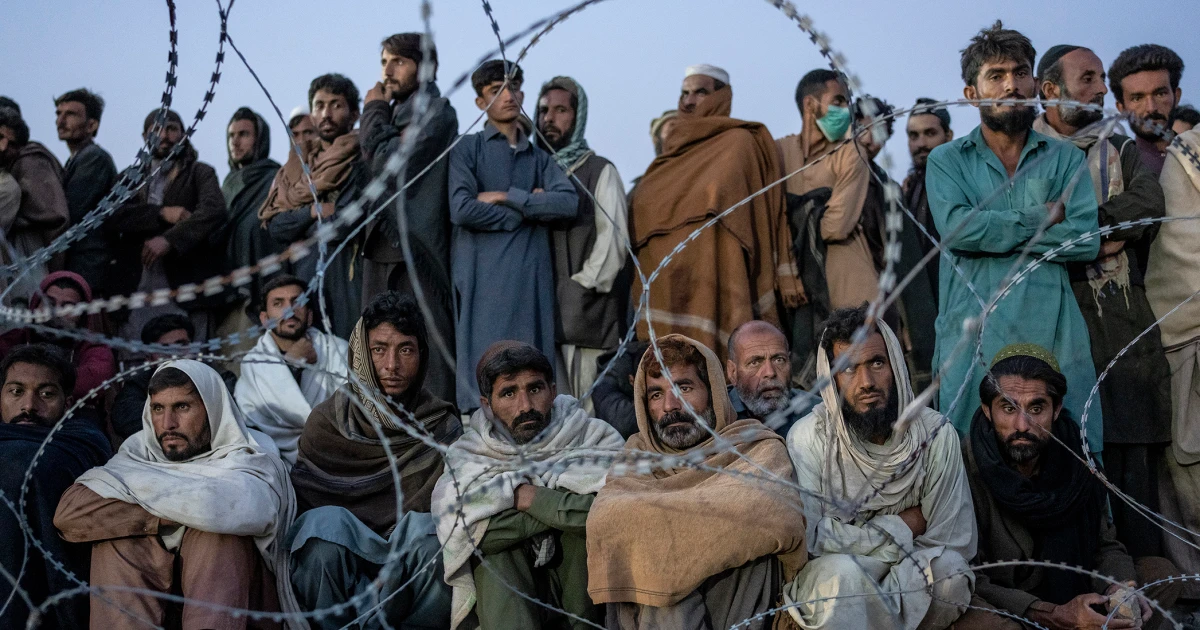
Pakistan has ramped up efforts to force out Afghan nationals from the country, as data from the country’s interior ministry shows that over 200,000 people have been deported since April. On top of this, Iran has also begun expelling Afghans from the country, raising concerns over the Taliban’s ability to manage the influx of people amid an already battered economy.
More than 135,000 Afghans left the country in April, followed by 67,000 in May, and more than 3,000 in just the first two days of June. Since the repatriation drive began in November 2023, more than one million Afghans have returned from Pakistan.
Some 600,000 Afghans have travelled to Pakistan since the Taliban took over and implemented their austere version of Islam. However, Islamabad wants over 800,000 Afghanistan citizens to return home after revoking their residency permits. This whopping group includes Afghans born and raised in Pakistan. One of the reasons why the country has waged an “Afghan out” campaign is its alleged links to terrorism.
The number of returnees has slowed ahead of the Eid al-Adha holiday later this week, but some Afghans were still crossing the main border points from Pakistan on Wednesday.“We left behind our orchards” and livelihoods, 21-year-old farmer Mohammad Wali told AFP near the southern Spin Boldak crossing.
“But we said to ourselves, ‘If we stay, maybe one day we’ll lose our dignity,’ so it’s better to return to our homeland now.”
The UN’s International Organisation for Migration (IOM) on Tuesday voiced concern over a surge in Afghan families being deported from Iran, recording 15,675 crossing in May, a more than two-fold increase from the previous month.