The morale of the Pakistan Army has hit an unprecedented low after the ignominious defeat in Operation Sindoor—a sharp turn in a long-running saga of desertions, operational losses, and distrust within its own ranks. From the barracks in Rawalpindi to conflict zones along the Line of Control, soldiers now find themselves demoralized and increasingly alienated from the leaders who urge them to sacrifice for the nation.
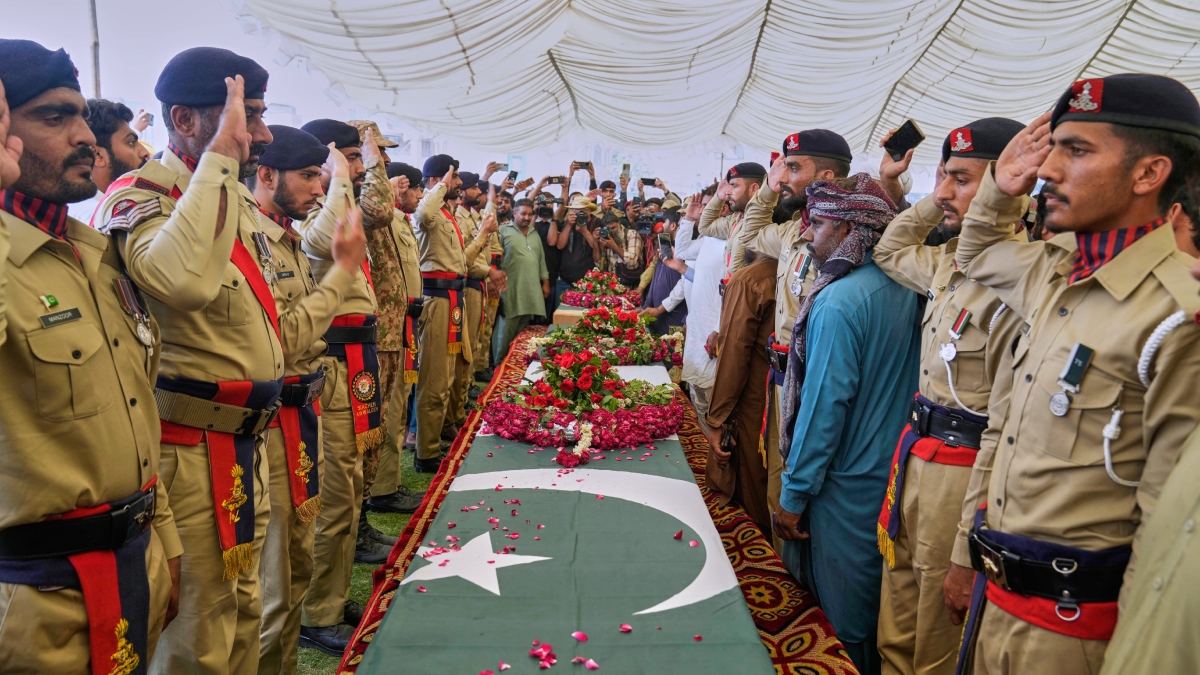
Operation Sindoor, launched by Indian forces on May 7 this year in retaliation for the Pahalgam terror attack that claimed 26 innocent lives, ended in just four days—halting on May 10 as Pakistan requested a ceasefire. In its wake, Pakistan posthumously decorated 138 soldiers with gallantry awards on Independence Day, August 14, a figure that exposes the true scale of losses suffered during the operation. The unprecedented number of fatalities has sent shockwaves through the ranks and led to growing whispers of desertion, with many soldiers questioning both the purpose and leadership of their campaign.
The official list released by the Pakistani government names 138 soldiers from various ranks who received gallantry medals posthumously for their sacrifice during Operation Sindoor. This solemn roll call, including Squadron Leader Usman Yousaf, L/Hav Amir Sheraz, and scores of sepoys such as Muhammad Akram, Muhammad Tariq, and Muhammad Rizwan, spells a grim testament to the human cost. However, it is important to bear in mind that not all fatalities during war receive medals; hence, the actual death toll is estimated to be at least three times the number of honored soldiers, suggesting losses exceeding 400-500 troops in less than four days of conflict. Some analyses even estimate more than 1,000 fatalities, a number that underlines the devastating impact of the operation on Pakistan’s armed forces.
Amid recurring defeats on the battlefield, the Pakistan Army’s internal problems have come into sharper focus. Economic crisis and slashed budgets have resulted in reduced rations and irregular pay, dampening the spirit of soldiers in the field. Reports reveal dissatisfaction among the troops, many of whom see senior officers living in privilege—owners of factories, wielders of government influence, and senders of family abroad—all while calling upon the young and poor to kill and die in the name of religion. Nepotism and favoritism are alleged to dominate promotions, leading to simmering resentment as qualified but unconnected officers are sidelined.
The infrastructure within many military outposts reportedly remains dilapidated, and soldiers are increasingly separated from their families, adding to their sense of abandonment. Some within the ranks view official indoctrination efforts as hollow, noting that religious sentiment is used as a shield for failed policies and continued terror funding operations in Pakistan-occupied Kashmir. These concerns, left unaddressed by senior leadership, have further corroded confidence in both the institution and its mission.
The Pakistani government, meanwhile, attempted to offset the embarrassment by promoting their army chief to the newly created rank of field marshal. The move, derided by Indian military leaders, highlights an effort to shape public perception despite the army’s battered morale. As Indian Army Chief General Upendra Dwivedi commented, “If you ask a Pakistani whether you lost or won, he’d say, ‘My chief has become a field marshal. We must have won.’” This push to manufacture victories has done little to quell unease among the rank and file.
As Pakistan faces economic turbulence and mounting internal dissent, the Army’s low morale is a critical vulnerability. The aftermath of Operation Sindoor has cracked open long-hidden fissures: soldiers feel exploited, demoralized, and left behind. With senior officers enjoying the spoils of power and regular troops bearing the risks and losses of war, many now openly question whether the sacrifices demanded of them are for the nation or merely the privilege of the few. The Pakistan Army, once an emblem of resilience, is today defined by defeat, desertion, and disillusionment—its spirit broken not just by foreign adversaries, but by the failures of its own leadership.
The gallantry awards given to 138 slain soldiers serve as a stark reminder of the heavy losses incurred in just 2.5 days of intense combat against Indian forces. Even with a conservative fatality rate of 15%, the casualty figures suggest that over 1,000 Pakistani troops were wiped out during Operation Sindoor, making it one of the deadliest confrontations the Pakistan Army has endured in recent years. No wonder the army surrendered so quickly, overwhelmed by both physical losses and a crisis of morale.
These grievous losses, combined with decades of corruption, nepotism, and poor leadership, have left the Pakistan Army’s rank and file feeling abandoned and exploited—the harsh irony of soldiers urged to sacrifice everything while their commanders enjoy comfortable lives, influence the government, and even award themselves honors. Operation Sindoor has thus become not only a military operation but a turning point revealing the depths of the Pakistan Army’s morale crisis.