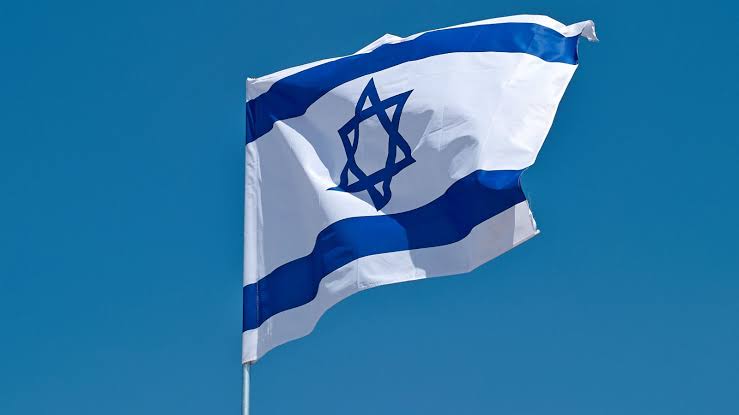
Israelis are voting today in parliamentary elections, with Prime Minister Benjamin Netanyahu seeking to retain power amid public debate over the government’s handling of the October 7, 2023, Hamas attack, the subsequent wars and its domestic and foreign policies. The election is widely viewed as a test of Netanyahu’s leadership, with opposition figures, including former military chief Gadi Eisenkot and former prime minister Naftali Bennett, seeking to challenge his right-wing coalition.
Israel follows a nationwide proportional representation system in which the entire country constitutes a single electoral constituency. Political parties must secure at least 3.25 per cent of the national vote to enter the Knesset. Netanyahu, leader of the right-wing Likud party, has served as prime minister for nearly 19 years across three separate periods since 1996. He is seeking to retain power following a turbulent period marked by the Hamas-led attack in October 2023 and the military campaigns that followed.
The October 7 assault killed around 1,200 people in Israel and triggered the war in Gaza, which subsequently expanded into a wider regional conflict involving Israel, Iran and other armed groups.
Security, accountability for the October 7 attack and the future of the war in Gaza are among the central issues in the election campaign.
Former Israel Defence Forces chief of staff Gadi Eisenkot, who leads the centrist Yashar party, has emerged as one of Netanyahu’s principal challengers. Eisenkot previously served as an observer in Netanyahu’s war cabinet but resigned in June 2024, criticising the government for lacking a clear strategy for the war.
Former prime minister Naftali Bennett is leading the B’Yachad electoral alliance, which includes former prime minister Yair Lapid’s Yesh Atid party. A right-wing politician who opposes Palestinian independence and supports Israeli settlements in the occupied West Bank, Bennett has also criticised Netanyahu’s handling of security and governance.
Other significant political players include Yair Golan’s left-leaning Democrats, Avigdor Liberman’s Yisrael Beiteinu and Arab-led parties such as Ra’am and the Joint List.