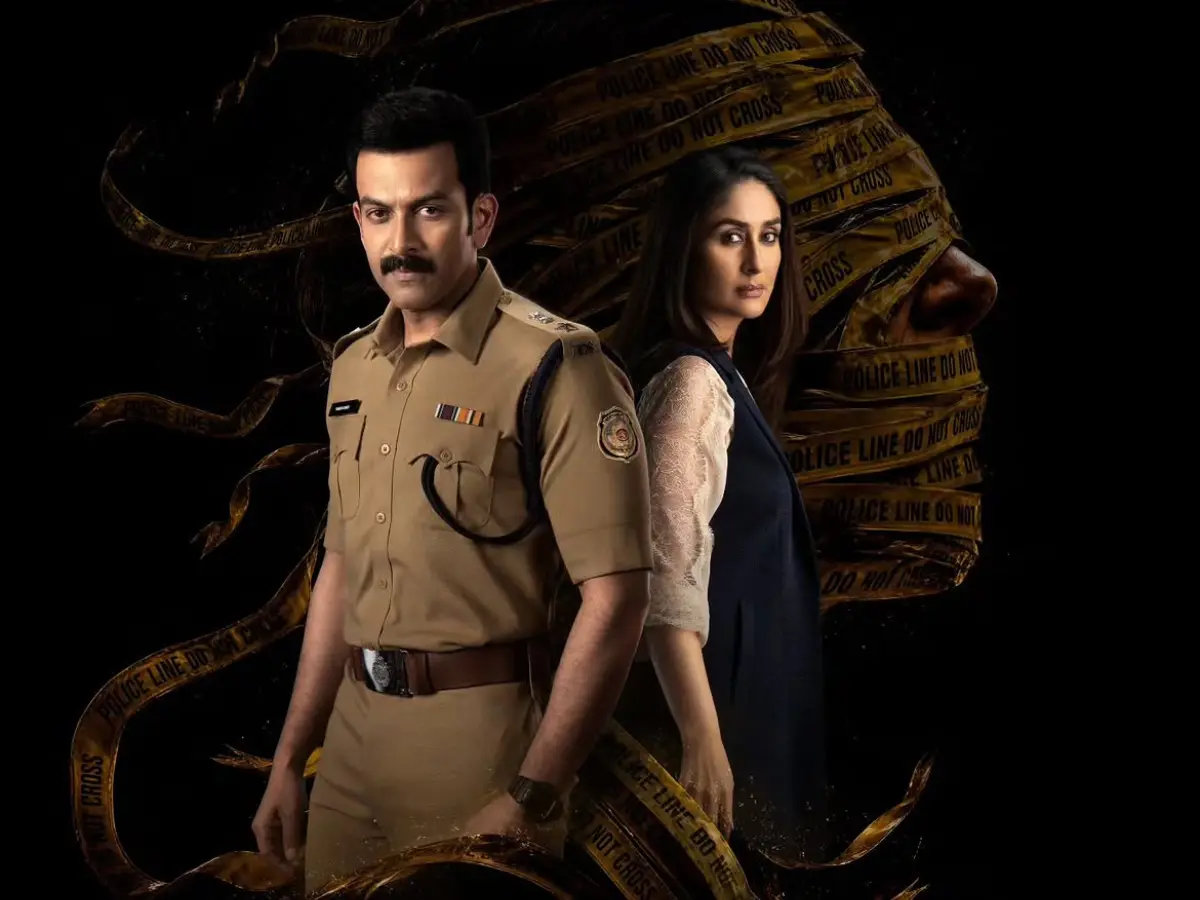
Daayra Movie Review: There’s a peculiar tendency to conflate the importance of a film’s subject with the quality of the film itself. The moment a film tackles a serious social issue, questioning its filmmaking can feel almost sacrilegious as though the gravity of the subject automatically lends the film depth. But an important issue does not necessarily make for a seamless film.
A film can be socially relevant and still be unconvincing. Meghna Gulzar’s Daayra arguably falls into this very trap. Don’t get us wrong. This isn’t a clumsy film. It has its heart in the right place. It has a solid intent. It wants to spark a conversation. It wants to unsettle us. But the problem is that much of it gets lost under the weight of its own aspirations. By the end of it, the intent fizzles out.Daayra opens with a bunch of people taking to the streets singing eulogies for Teerthana police station’s DCP Raman Kumar. In a successful encounter operation, he along with his team had shot down four rapists, who had left 24-year-old Ragini Poojari’s charred remains near a highway in Delhi. But a different and dubious narrative erupts when Raman attends a press conference.We soon learn that the encounter was staged by him as an attempt to channel his own rage towards the rapists, who had destroyed a young life and that this is the third time that he has done something similar. Human Rights Commission soon files a bunch of PILs and to get to the bottom of the matter, an SIT is set-up, with DCP Ajooni Kohli tasked with leading the probe.
Ajooni and Raman embody the opposing philosophies of justice. While Raman believes in an iron-fisted approach to justice, taking matters into his own hands, Ajooni represents the opposite of that. She believes in the judicial system and trusts the law to punish those responsible even if it turns into a time-consuming affair.
After killing the rapists, when Raman says that the law simply did its duty, Ajooni’s of the opinion that the police isn’t the law. And this ideological conflict is precisely what forms the heart of the story, or at least, that seems to be the intent of Meghna and her writers – Sima Agarwal and Yash Keswani. The problem is that this conflict remains more clearly stated than meaningfully explored.