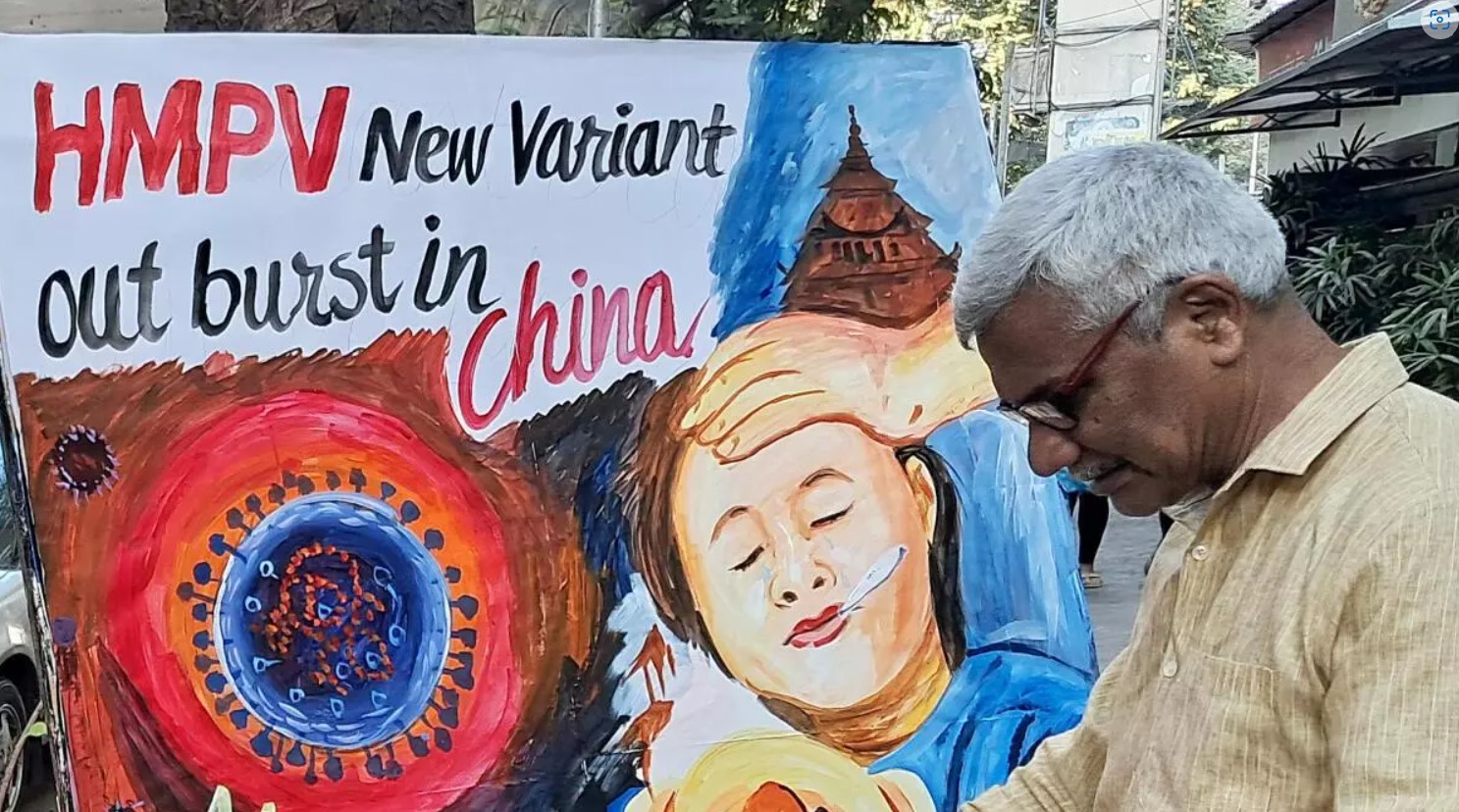
Human Metapneumovirus (HMPV) has recently caught attention in India after two cases were reported in Karnataka. As the country watches the situation closely, citizens are on edge, fearing the potential of another pandemic. So, what exactly is HMPV, and should we be worried? Here’s a breakdown of the virus and its impact.
What is HMPV?
- Global Respiratory Threat: HMPV is a viral pathogen known to cause respiratory infections in people of all age groups.
- Discovery: It was first identified in 2001 and belongs to the Paramyxoviridae family, closely related to the Respiratory Syncytial Virus (RSV).
- Transmission: Spreads through respiratory droplets (coughing or sneezing) and contact with contaminated surfaces or infected individuals.
Symptoms of HMPV
Mild Symptoms (common in healthy individuals):
- Runny nose
- Sore throat
- Cough
- Fever (similar to common cold)
Moderate Symptoms:
- Persistent cough
- Wheezing
- Fatigue
Severe Symptoms (particularly in infants, older adults, or those with weakened immune systems):
- Bronchitis
- Bronchiolitis
- Pneumonia
- Severe Acute Respiratory Illness (SARI), requiring hospitalization
How is HMPV Transmitted?
- Respiratory Droplets: Coughing, sneezing, or even talking can spread the virus.
- Direct Contact: Touching surfaces contaminated by infected individuals.
- Preventive Measures:
- Wash hands regularly with soap and water.
- Use a mask and practice proper respiratory etiquette (covering mouth and nose when sneezing or coughing).
- Avoid close contact with infected individuals.
Diagnosis and Treatment
- Diagnosis: HMPV can be difficult to diagnose based solely on symptoms as it mimics other respiratory infections. The gold standard for detection is RT-PCR.
- Treatment: Currently, there is no specific antiviral or vaccine for HMPV.
- Mild cases: Rest, hydration, and over-the-counter medications for symptoms.
- Severe cases: Hospitalization, oxygen therapy, or mechanical ventilation may be required for complications like pneumonia.
HMPV vs. COVID-19: Key Differences and Similarities
Similarities:
- Both are respiratory viruses spread through respiratory droplets and contact.
- Both can cause mild to severe symptoms (cough, fever, shortness of breath), especially in vulnerable populations (infants, elderly, immunocompromised).
Differences:
- Underlying Viruses: HMPV is related to RSV, while COVID-19 is caused by SARS-CoV-2.
- Symptoms: COVID-19 can cause a broader range of symptoms, including loss of taste and smell, and it has the potential for systemic complications like blood clots and organ failure.
- Vaccines and Treatments: COVID-19 has vaccines and antiviral treatments available, while HMPV only has supportive care with no specific antiviral drugs or vaccine.
What’s Happening in India?
- Ongoing Surveillance: India is closely monitoring HMPV through surveillance systems like ICMR (Indian Council of Medical Research) and IDSP (Integrated Disease Surveillance Programme).
- Health Advisory: The Union Health Ministry has assured the public that HMPV is already circulating globally, including in India, and that the health infrastructure is prepared to respond to emerging respiratory threats.
Should You Be Worried?
While the recent cases in Karnataka have sparked concern, it’s important to note that HMPV is not a new virus, and its symptoms are similar to other common respiratory infections. The government’s active surveillance and preventive measures, coupled with the absence of significant viral mutations, suggest that there is no immediate cause for panic. However, staying vigilant and following basic hygiene practices remains key to reducing the spread of any respiratory virus.
HMPV #RespiratoryVirus #IndiaHealth #ICMR #PublicHealth #COVID19 #HealthAwareness #ViralInfections #MedicalUpdate #VirusAlert #HealthNews #StaySafe #IndiaSurveillance #WinterFlu #HMPVIndia #RespiratoryInfections #HealthPrecautions