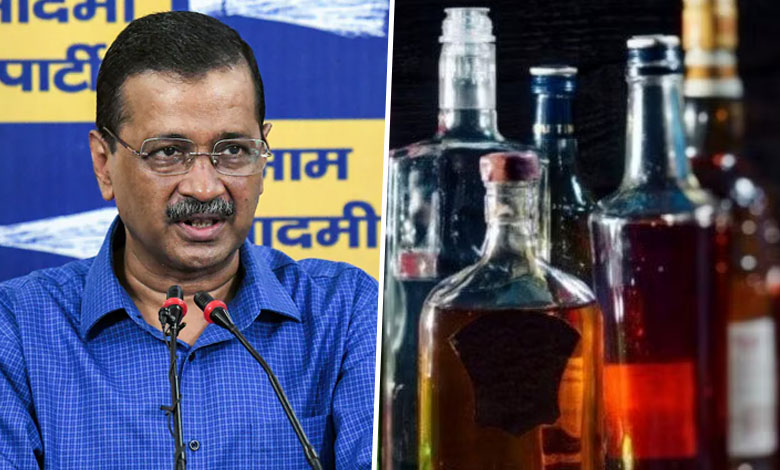
A report by the Comptroller and Auditor General (CAG) has exposed a revenue loss of Rs 2,026 crore to the government due to alleged irregularities in the implementation of Delhi’s now-scrapped liquor policy. The report sheds light on glaring lapses, policy violations, and questionable decisions that benefited certain entities while sidelining due process
Policy marred by deviations and alleged kickbacks
The liquor policy, introduced in November 2021, was pitched as a game-changer for Delhi’s liquor retail market. It aimed to increase revenue and simplify the liquor trade. However, the policy’s promises were overshadowed by allegations of corruption and financial irregularities. The CAG report also suggests that the policy failed to meet its objectives, with key recommendations from an expert panel ignored by the Group of Ministers (GoM) led by then-Deputy Chief Minister Manish Sisodia.
The report further alleges that some Aam Aadmi Party (AAP) leaders benefited from kickbacks tied to the policy. This led to investigations by the Enforcement Directorate (ED) and the Central Bureau of Investigation (CBI), culminating in the arrests of senior AAP leaders, including then-Chief Minister Arvind Kejriwal, Sisodia, and Sanjay Singh. All were later granted bail.
Flawed licensing process raises questions
One of the report’s major highlights is the irregularities in issuing and renewing licences. The CAG found that bidders, regardless of complaints or poor financial standing, were allowed to participate in the tendering process. Shockingly, even entities that reported financial losses were granted licences or had their existing ones renewed.
The report further highlights a lack of scrutiny of bidders’ financial conditions, enabling questionable entities to operate within the system. Despite clear violations of the rules, penalties were reportedly not imposed, suggesting deliberate inaction.
The CAG report raises serious concerns about the decision-making process. It points out that critical decisions regarding the policy were taken without Cabinet approval or clearance from the lieutenant governor, as required. Moreover, the new rules were never presented before the Delhi Assembly for ratification, a clear violation of standard protocol.