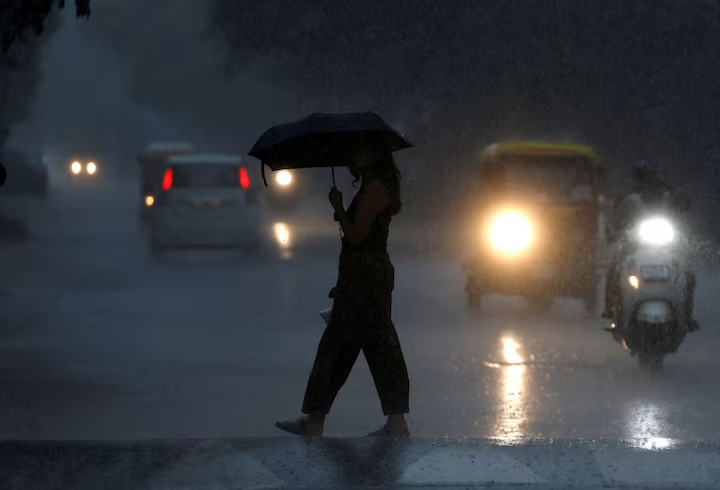
Rainfall during the final monsoon month is expected to remain below 91 per cent of the long-period average, increasing risks for crops and reservoirs.
NEW DELHI:
India is likely to receive below-normal rainfall during September after the country recorded a 16 per cent monsoon deficit in August, the India Meteorological Department said on Monday evening.
IMD Director-General Mrutyunjay Mohapatra said September rainfall was expected to be below 91 per cent of the long-period average. The forecast covers the country as a whole and does not mean every region will experience deficient rain.
The outlook is important for rain-fed agriculture and for crops requiring adequate soil moisture during their final growth stages. Uneven precipitation can affect yields even when national reservoir levels remain relatively comfortable.
The forecast comes amid an intensifying El Niño, which the government expects to peak towards the end of 2026. El Niño conditions can weaken India’s monsoon, although their effect varies by season and region.
Short-range warnings remain sharply uneven. IMD forecast extremely heavy rain over Chhattisgarh on August 31 and September 1, very heavy rain across parts of central India, and isolated heavy rainfall in Jammu division through September 1.
The simultaneous prospect of national rainfall deficiency and destructive local downpours underlines the difference between cumulative seasonal totals and extreme weather. Concentrated rain may produce flooding without adequately replenishing agricultural moisture across wider areas.
The September outcome will influence kharif production estimates, food prices, reservoir storage and sowing conditions for the subsequent rabi season. Agriculture and state disaster authorities will need to monitor district-level distribution rather than rely only on the national average.