Sindhiya Gupta
Opinion: A Geopolitical Strategy Gone Awry
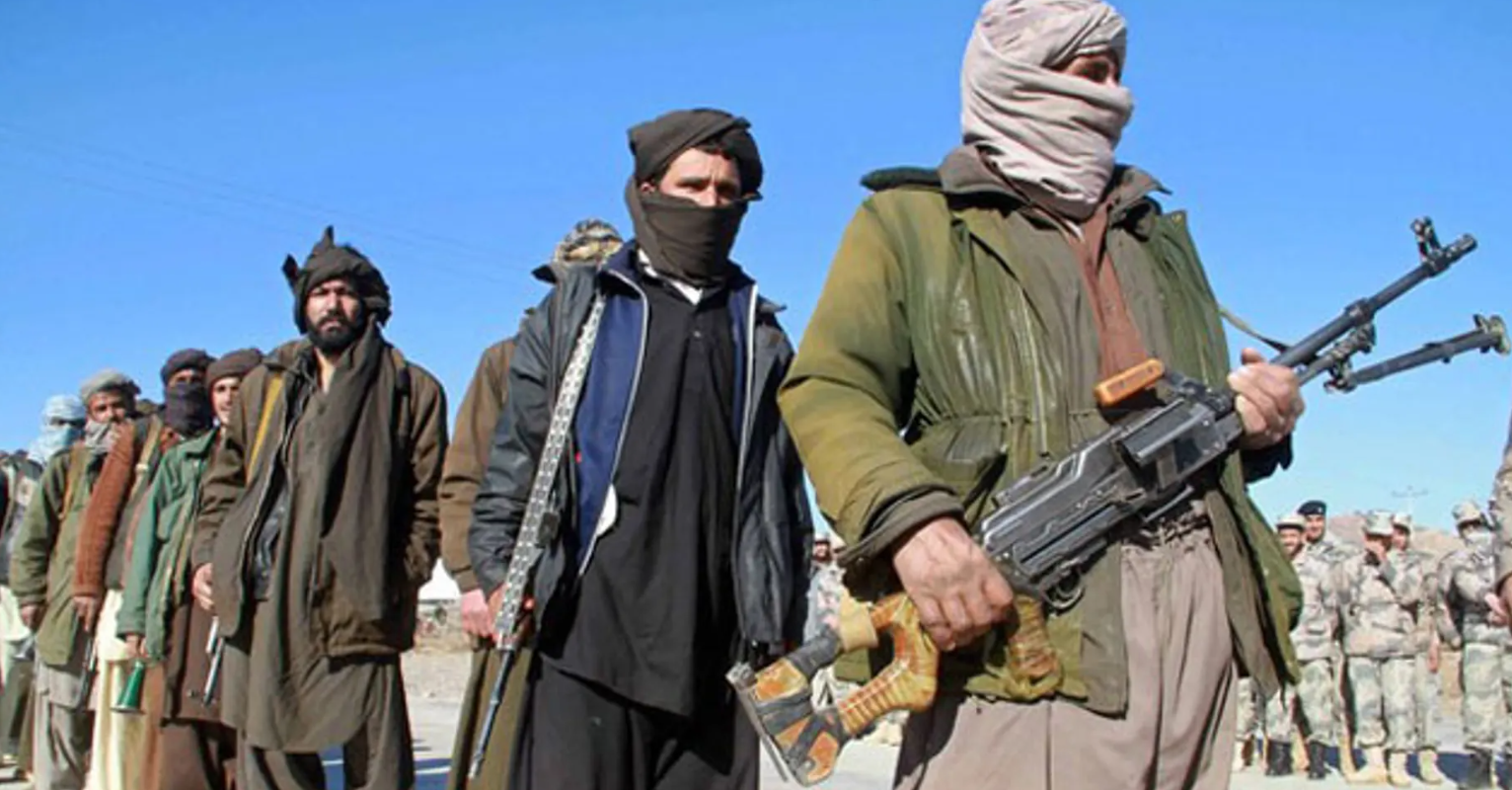
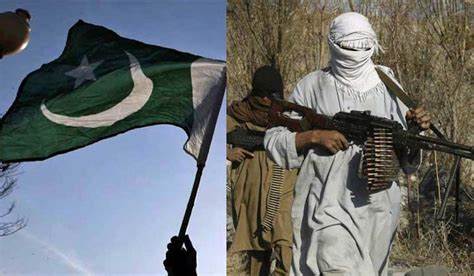
For decades, Pakistan strategically supported the Taliban, viewing them as an ally to counterbalance India and establish dominance in Afghanistan. This partnership, which once seemed like a masterstroke in regional politics, has now spiraled into a dual threat that jeopardizes Pakistan’s security, economy, and international standing.
The irony is palpable: a nation that invested heavily in fostering the Taliban is now grappling with the fallout of its own creation. The growing alliance between the Afghan Taliban and the Tehreek-e-Taliban Pakistan (TTP) has turned these groups into existential threats for Islamabad.
1. The Historical Alliance: Seeds of the Current Crisis
Since the 1990s, Pakistan’s intelligence agency, the ISI, played a pivotal role in supporting the Taliban. This relationship aimed to create a proxy government in Kabul, reducing India’s influence in the region. However, this strategy failed to anticipate that extremist groups, once empowered, would pursue their own agendas.
When the Afghan Taliban regained power in 2021, Pakistan celebrated the event as a strategic victory. But the reality has been starkly different. The Taliban’s reluctance to curb cross-border attacks and their alignment with the TTP have strained this once-cozy relationship.
2. Escalating Violence: A Dual Front War
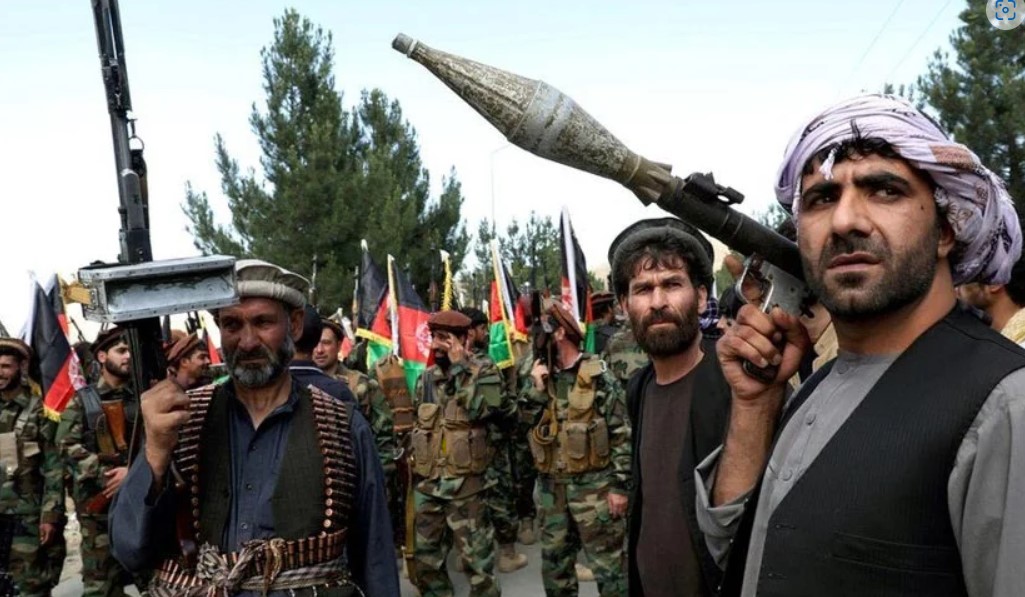
Pakistan now faces a deadly dual challenge:
- TTP’s Insurgency: Operating with impunity from Afghan soil, the TTP has intensified its attacks within Pakistan, targeting civilians and security forces alike.
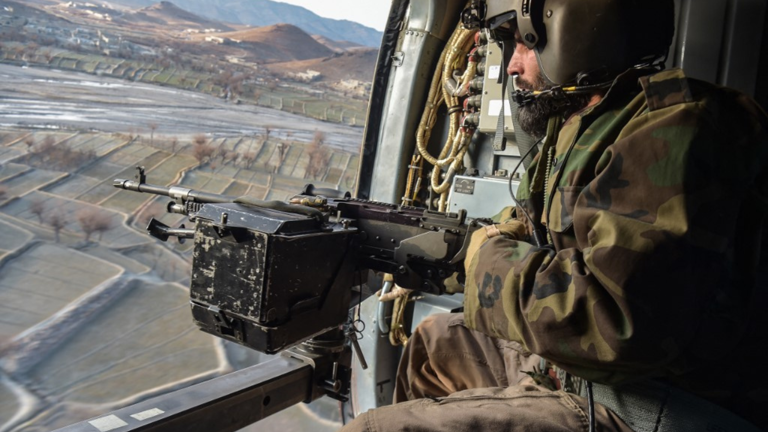
- Afghan Taliban’s Retaliation: Recent Pakistani airstrikes on TTP hideouts in Afghanistan prompted a retaliatory response from the Afghan Taliban, signaling a dangerous escalation.
These dynamics have forced Pakistan into a precarious situation, where it must combat both factions while trying to maintain regional stability.
3. A Human and Economic Toll
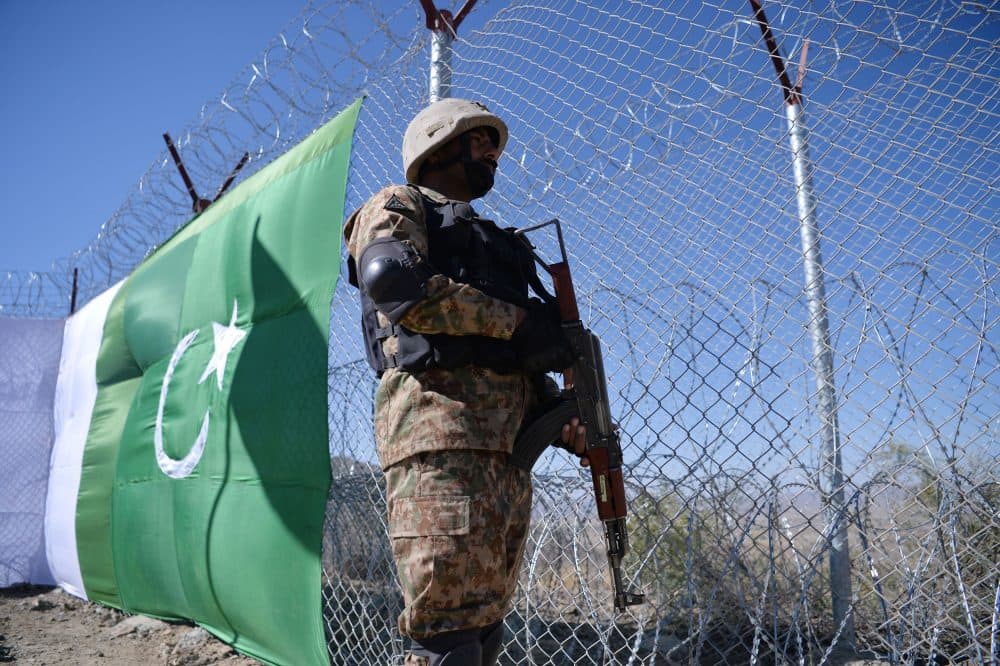
The cost of this dual threat is staggering. In 2023 alone, Pakistan witnessed a 56% increase in terror-related fatalities, with over 1,500 deaths. Economically, the conflict is draining resources, exacerbating an already fragile economy reeling from inflation, debt, and international isolation.
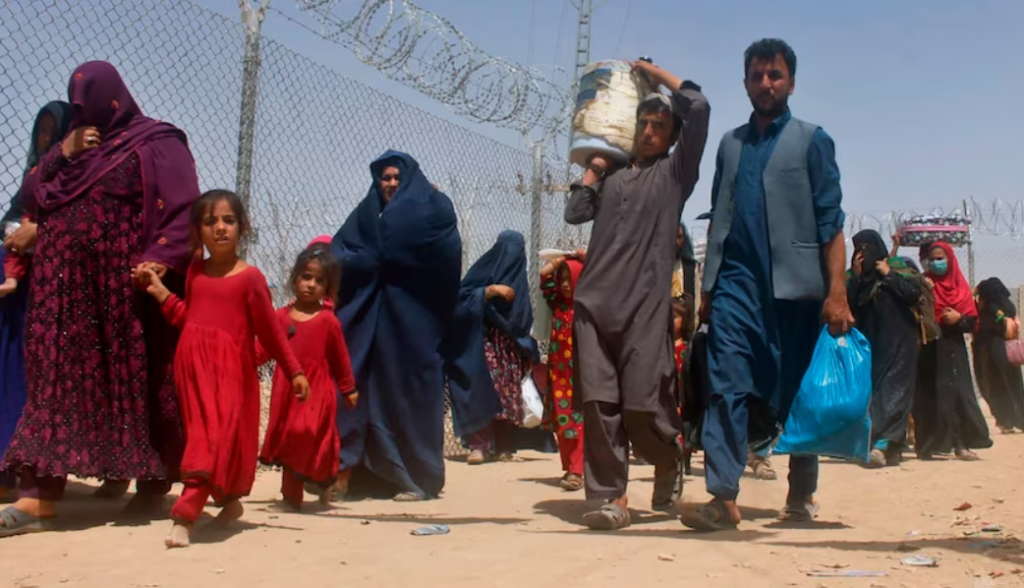
Additionally, Pakistan’s expulsion of undocumented Afghan migrants and trade restrictions have worsened relations, leaving little room for diplomacy.
4. Strategic Missteps and Global Warnings
The Clinton Doctrine—famously summarized as “You can’t keep snakes in your backyard and expect them only to bite your neighbors”—has come to haunt Pakistan. By supporting extremist elements for geopolitical leverage, Islamabad underestimated the long-term consequences of such alliances.
Both the Afghan Taliban and the TTP now operate with little regard for Pakistan’s interests, pursuing their own vision of extremist rule.
5. Lessons for the Future
Pakistan’s predicament offers valuable lessons for nations that consider aligning with extremist factions for short-term gains. The fallout from such alliances is unpredictable and often devastating.
For Pakistan, the way forward involves:
- Reassessing Counterterrorism Strategies: A robust military response must be complemented by long-term socio-political reforms to prevent the growth of extremism.
- Strengthening Diplomatic Channels: Engaging with the Afghan Taliban to address cross-border terrorism remains essential.
- Global Partnerships: Pakistan needs to collaborate with international allies to stabilize its borders and rebuild its economy.
Conclusion: A Cautionary Tale
Pakistan’s decades-long gamble on the Taliban has backfired, turning allies into adversaries and creating a crisis that threatens national stability. What was once viewed as a strategic asset is now a liability of immense proportions.
The dual threats of the Afghan Taliban and the TTP serve as a stark reminder of the perils of nurturing extremist groups. As Pakistan navigates this precarious situation, it must reckon with the consequences of its past decisions and take decisive action to secure its future.
Pakistan #Taliban #TTP #AfghanTaliban #Geopolitics #CounterTerrorism #PakistanSecurity #Afghanistan #Terrorism #StrategicAlliances #DurandLine #ISI #GeopoliticalStrategy #MiddleEast #SouthAsia #NationalSecurity #PakistaniPolitics #AfghanCrisis #TerrorAttacks #RegionalStability #ConflictResolution #PakistanMilitary #AfghanistanBorder #ForeignPolicy #SecurityChallenges
Sindhiya Gupta is a Media Analyst and Editor of The News Wire.