



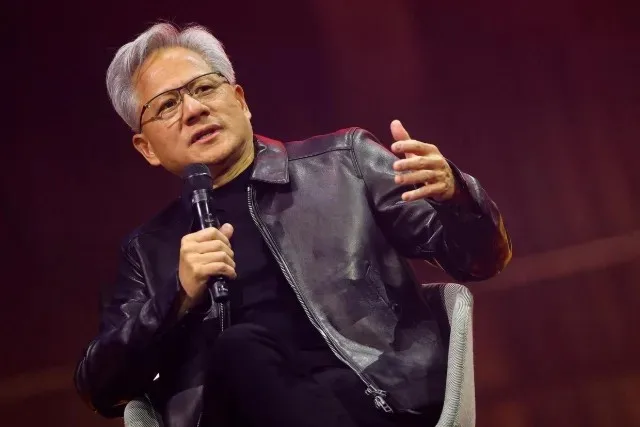
The controversy surrounding Huang's resignation stemmed from allegations of a possible Chinese intelligence connection involving Alice Huang, a former executive at Singapore-based Megaspeed International. These allegations raised questions about NVIDIA's business dealings with China and compliance with US export controls. However, China has denied the spying allegations, and US authorities have not publicly established that Alice Huang passed information to Beijing. Despite this, the situation led to Huang's initial resignation, citing the need to prioritize the company's interests.
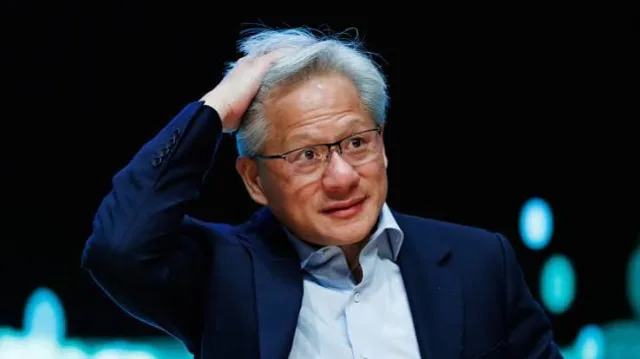
One of the significant factors contributing to Huang's reinstatement was the overwhelming public support he received. A petition titled 'Stand with Jensen' garnered over 180,000 signatures from current and former NVIDIA employees, investors, business partners, and other Silicon Valley figures. Notable supporters included Elon Musk, who publicly backed Huang's reinstatement. This campaign highlighted the extensive support Huang retained within the technology industry, despite the controversy surrounding his personal life and the allegations of Chinese intelligence connections.
Huang himself expressed a willingness to return to the company if the board believed it was in NVIDIA's best interests. In a public message following his resignation, he acknowledged making serious mistakes in his personal life and expressed gratitude for the outpouring of support from employees, investors, business partners, and customers. He stated that if the Board of Directors decided that his return was in the best interest of the company, he would be honored to answer the calls for his return and resume his role as CEO.
The US government played a crucial role in Huang's reinstatement. NVIDIA's board confirmed that it had received input from senior levels of the US government, which helped conclude that Huang's reinstatement did not pose a national security risk. US President Donald Trump publicly backed Huang's reinstatement, emphasizing the importance of his leadership for the company and the American economy. Trump also stated that the US government had no reason to believe Huang's return would compromise national security.
The board's decision to reinstate Huang followed a series of discussions and meetings with him. After these interactions, the directors expressed satisfaction with his candour and ability to lead the company. The board voted unanimously to reinstate Huang as President and CEO, as well as a member of the board, with immediate effect. Harvey C. Jones, chair of the board, stated that the Board believes Jensen is the right person to lead NVIDIA and that his reinstatement is in the best interests of the company's stockholders, employees, partners, and customers.
Huang's return as CEO does not mark the end of the controversy surrounding NVIDIA. The company confirmed that its independent board committee's investigation into reports of a foreign intelligence effort targeting Huang would continue. The committee has retained independent legal counsel, and Huang has committed to cooperating with the investigation. Additionally, NVIDIA has established a National Security and Export Control Committee, comprising independent directors, to oversee trade compliance and national security risks. The company is also searching for a Chief Compliance Officer who will oversee compliance across the company and report to the board's Nominating and Corporate Governance Committee.
In conclusion, Jensen Huang's reinstatement as NVIDIA's CEO is a significant development in the technology industry, marked by controversy, public support, and governmental input. As NVIDIA moves forward under Huang's leadership, the company will need to navigate the ongoing investigation into potential foreign intelligence efforts and ensure compliance with US export controls. The establishment of new national security safeguards and the appointment of a Chief Compliance Officer are steps towards addressing these challenges and reassuring stakeholders of the company's commitment to security and compliance.
The future of NVIDIA under Huang's leadership will be closely watched, both within the industry and by the public. The company's ability to balance its business dealings with China while complying with US export controls will be a critical aspect of its operations. Furthermore, the outcome of the ongoing investigation into potential foreign intelligence efforts will have significant implications for NVIDIA and its relationships with governmental agencies. As the technology industry continues to evolve, NVIDIA's approach to national security and export control will set a precedent for other companies operating in this space.
In the broader context, Huang's reinstatement reflects the complex interplay between technology, national security, and geopolitical interests. The allegations of Chinese intelligence connections and the subsequent investigation highlight the risks associated with international business dealings, particularly in the technology sector. The US government's input in Huang's reinstatement underscores the importance of national security considerations in corporate decision-making. As technology companies navigate these complexities, they must prioritize transparency, compliance, and cooperation with governmental agencies to ensure the integrity of their operations and the security of their stakeholders.
Ultimately, Jensen Huang's return as NVIDIA's CEO marks a new chapter in the company's history, one that will be defined by its ability to balance business interests with national security concerns. The company's commitment to establishing new national security safeguards and its cooperation with the ongoing investigation demonstrate a willingness to address these challenges head-on. As NVIDIA moves forward, its leadership will be closely scrutinized, and its actions will have far-reaching implications for the technology industry and beyond.