


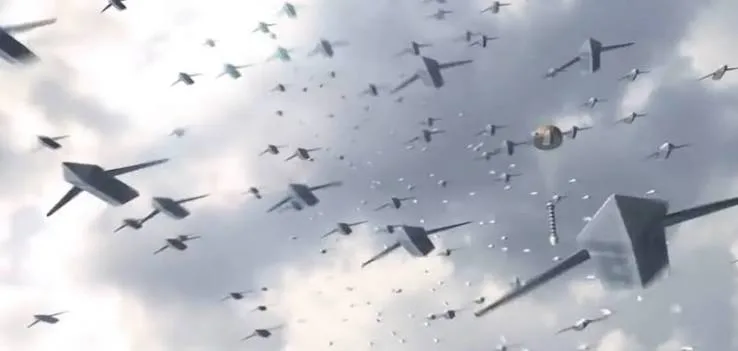
In April the Pentagon asked Congress for $54.6 billion for a single office that buys drones and autonomous systems. The year before, that office got $225.9 million.
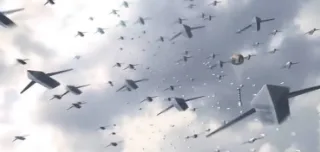
Set that beside a smaller number. An Iranian Shahed drone costs a few tens of thousands of dollars to build. The Patriot interceptor fired at it costs about $4 million. Early in the Gulf fighting, states there were reported to be running short of interceptors, and two radars worth more than a billion dollars each were reported put out of action by drones worth about $30,000 apiece.
Ukraine has answered cheap with cheap. Its defence ministry says the army received three million strike drones last year, and by January it was receiving more than 1,500 interceptor drones a day, built to bring down Shaheds without spending missiles on them.
Then there is the bill for the intelligence itself. The International Energy Agency expects the electricity used by data centres to more than double by 2030, to slightly more than Japan uses today. A typical AI-focused data centre already draws as much power as 100,000 homes.
So what does a military buy when it buys intelligence? Chips, cooling, power, engineers and data, before a single decision is made at the front. The cost of an interceptor is easy to count. The cost of each decision a machine makes is harder to see.
None of this makes intelligence the villain. It is what lets a cheap drone find its target when the signal is jammed. Nor is the cheap path easy: the Pentagon's earlier effort to field drones in numbers is reported to have struggled with faults and slow production.
Still, a pattern is hard to miss. More than once, an expensive advantage has been answered by something that costs a fraction of it. The owner of a costly system has to protect it everywhere. The attacker with a cheap one only has to get through somewhere.
That does not mean the billions are wasted. They may buy exactly the edge their backers want. But an edge that depends on spending can be copied or jammed, and budgets change more slowly than the things that undermine them.
Which will decide the next war: the machines that cost the most to build and power, or the ones that cost the least to lose? And if it turns out to be the second kind, what exactly are we paying for?
author.neerajtickoo@gmail.com