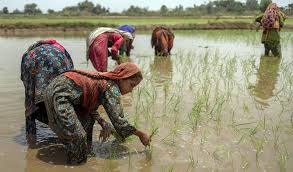
Domestic reporting identifies hoarding, smuggling and rising production costs as pressures on consumers and export competitiveness.
KARACHI:
Pakistan’s rice industry is facing weakening exports and elevated domestic prices despite a large crop, highlighting structural problems in agricultural marketing and trade.
An analysis published by Dawn on Monday said consumers were experiencing food-price pressure while exporters blamed rising costs and reduced international competitiveness.
The report identified alleged large-scale hoarding and cross-border smuggling as factors distorting the market. Such activity can reduce lawful supply, push domestic prices higher and prevent farmers from receiving the full benefit of export demand.
Retailers and exporters have offered competing explanations. Retail businesses have blamed overseas sales for domestic price increases, while exporters have sought support to offset energy, transport and financing costs.
A bumper harvest does not guarantee lower consumer prices when storage, distribution and market concentration allow stocks to be withheld.
Pakistan’s wider food outlook remains vulnerable to energy prices, fertiliser costs, currency pressure and El Niño-related weather risks. These factors can affect both farm output and household affordability.
Any government response must avoid measures that merely shift losses between farmers, consumers and exporters. Effective action would require enforcement against hoarding and illegal trade, transparent stock data and reliable production estimates.
The next indicators will be monthly export volumes, wholesale prices, official stock figures and any regulatory action against suspected market manipulation.