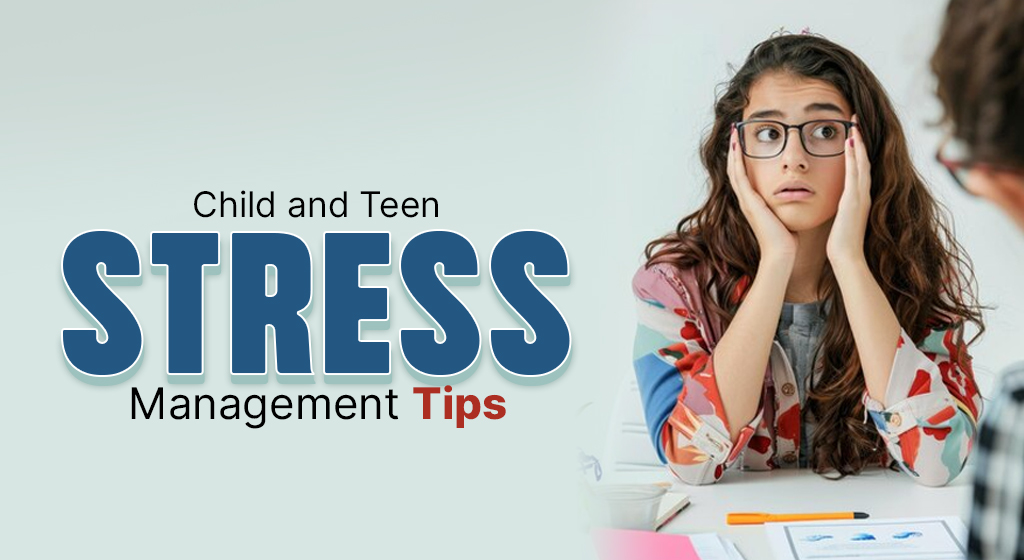
New Delhi, February 2025 – In today’s fast-paced world, stress among teenagers has become a pressing concern. With academic pressures, social expectations, and the constant influence of digital media, many teens struggle to cope with anxiety, leading to emotional and physical health issues. Experts emphasize that early intervention and healthy coping strategies can significantly improve a teenager’s well-being.
Understanding Teen Stress
According to recent studies, nearly 70% of teenagers report experiencing high levels of stress, with academic pressure being the leading cause. Social relationships, peer pressure, family expectations, and career uncertainties add to the burden. Moreover, excessive screen time and social media exposure often contribute to unrealistic self-comparisons, leading to self-doubt and anxiety.
Warning Signs of Stress in Teens
Stress manifests differently in each teenager, but common signs include:
- Frequent mood swings, irritability, or anger
- Difficulty sleeping or excessive sleep
- Loss of interest in activities they once enjoyed
- Headaches, stomach issues, or fatigue
- Difficulty concentrating in school
- Withdrawal from friends and family
If left unaddressed, prolonged stress can lead to serious mental health conditions such as depression and anxiety disorders.
Effective Stress Management Strategies
- Encouraging Open Communication
Parents and teachers should create a safe space for teens to express their feelings without fear of judgment. Regular conversations help them feel heard and supported. - Balancing Academics and Extracurriculars
While academic success is important, excessive pressure can backfire. Teens should be encouraged to pursue hobbies, sports, and creative activities to relieve stress. - Practicing Mindfulness and Relaxation Techniques
Deep breathing exercises, meditation, and yoga can help teens manage anxiety and improve focus. Just 10-15 minutes of mindfulness daily can make a significant difference. - Promoting Healthy Lifestyle Habits
A balanced diet, regular physical activity, and adequate sleep are crucial for mental well-being. Experts recommend at least 8-10 hours of sleep for teenagers to function optimally. - Setting Boundaries with Social Media
Excessive screen time, especially on social media, can heighten stress levels. Encouraging “digital detox” hours and reducing exposure to negative content can help teens maintain a positive mindset. - Seeking Professional Help When Needed
If stress becomes overwhelming, therapy and counseling can provide essential support. Schools should also offer mental health programs to help students cope with challenges effectively.
A Collective Responsibility
Managing stress in teens is not just the responsibility of the individual but requires support from families, schools, and communities. By fostering a nurturing environment and promoting mental well-being, we can ensure that teenagers grow into confident, resilient individuals ready to face life’s challenges.