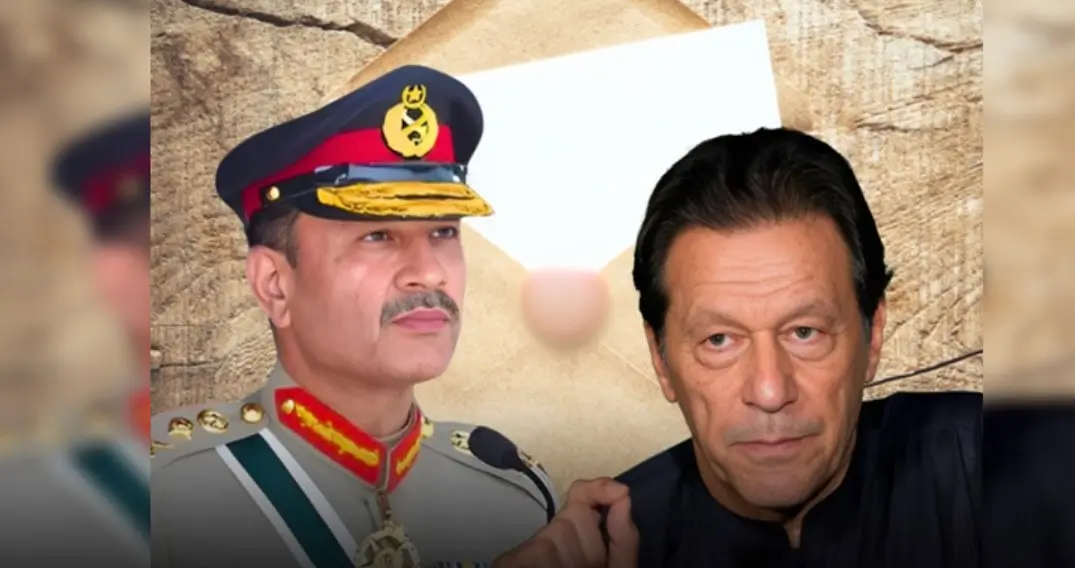
The recent promotion of Pakistan’s Army Chief, General Asim Munir, is fueling speculation across political and media circles about whether the move signals a broader political strategy orchestrated by the ruling coalition — particularly Prime Minister Shehbaz Sharif — to sideline former Prime Minister Imran Khan.
A Calculated Move or Routine Appointment?
While army promotions are constitutionally mandated and typically seen as routine military procedure, the timing and political backdrop surrounding Gen. Munir’s continued tenure have raised eyebrows. His extension and ongoing influence come at a time when Imran Khan faces multiple legal cases, imprisonment, and a shrinking space for political activity.
Observers point to what appears to be an increasingly visible alignment between the military establishment and the civilian government. The military, which has historically played a powerful role in Pakistan’s governance, is perceived to have shifted its stance from being neutral to becoming more assertive in sidelining political figures seen as challenging its dominance — a role Khan once embraced before falling out with the generals.
Imran Khan’s Political Marginalization
Since his ouster from power in April 2022 through a no-confidence vote, Imran Khan’s political fortunes have dramatically declined. He has accused the military of orchestrating his removal and manipulating the judiciary to prevent his return. His arrest in 2023 and the subsequent crackdown on his party, PTI, were seen by many as moves backed by or aligned with military preferences.
General Munir, once removed from a key intelligence post during Khan’s premiership, is believed to share a tense personal history with the PTI chief — further complicating perceptions about his political neutrality.
A Shehbaz-Munir Understanding?
Speculation is rife that the Shehbaz Sharif-led government and Gen. Munir are now in tacit agreement on maintaining political stability by keeping Khan and his populist movement at bay. Critics call it a “civil-military understanding” designed to protect the status quo, while supporters of the government argue that such alignment is necessary to restore economic order and prevent political chaos.
Regional and International Implications
The developments come as Pakistan faces immense economic challenges, rising militant violence, and diplomatic pressure to ensure stability. A weakened opposition, especially one led by a polarizing figure like Imran Khan, may serve the interests of those favoring predictability in governance — both domestically and internationally.
However, analysts warn that suppressing democratic opposition through non-electoral means may damage Pakistan’s institutional credibility and deepen civil-military imbalances, something the country has struggled with for decades.