



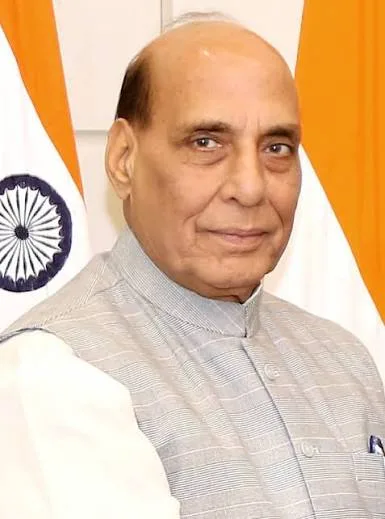
Defence Minister Rajnath Singh told senior Indian Air Force commanders in New Delhi on 12 November that the armed forces should build both offensive and defensive capabilities so that they can keep the element of surprise in future wars. He was addressing the Air Force Commanders' Conference, a two-day meeting themed The Year of Empowerment: Maximising Efficiency Through Decentralisation.
The AI applications
At the conference Singh launched a set of AI applications developed in-house by the Air Force's AI Centre of Excellence under UDAAN, its Unit for Digitisation, Automation, Artificial Intelligence and Application Networking. The applications are meant to automate and speed up work in operations, administration and aerospace safety and are deployed on the Air Force's secure network. The report did not name the individual applications.
What he asked for
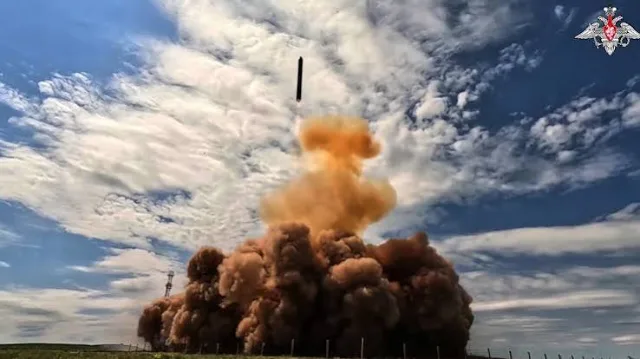
Singh said forces should be able to strike adversaries before they can respond while never being caught unprepared, and that surprise can be conventional or electronic, so intelligence, surveillance, integration and readiness need constant improvement. He said drones, missiles, air defence systems and advanced platforms are changing the nature of conflict, and asked the Air Force to prepare for kamikaze drones and counter-drone operations and to develop doctrines for electronic, cyber and space warfare.
He said lessons from Operation Sindoor underline the importance of drones, air defence and coordination among the three Services, and that future effectiveness depends on technological sophistication, speed, precision and jointness, not only on the number of aircraft or platforms. The report carried no remarks from the Air Force chief and did not list the attendees beyond senior Air Force leadership. Whether the directives will turn into new capabilities remains to be seen.