


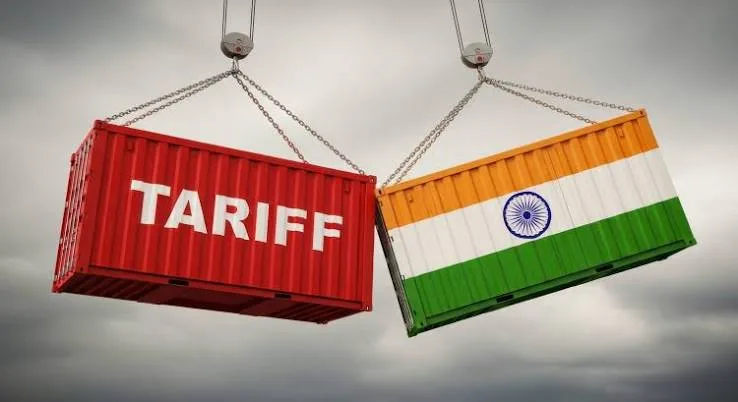
The United States Trade Representative, Jamieson Greer, on Wednesday 25 November proposed tariffs on 14 economies, including India, after a Section 301 investigation into excess industrial capacity launched in March. For India he proposed 25 per cent, net of existing Section 301 duties and with some product exemptions, which could fall to 17 per cent if a bilateral trade agreement is signed. India's Ministry of Commerce and Industry said late on Wednesday that India has taken note of the notice, which is under examination, and that the Department of Commerce said India does not have structural excess capacity in any sector.
The other economies
The proposals range from 15 to 35 per cent. China could face up to 40 per cent, Vietnam up to 35 per cent, or 20 per cent with a deal, and Thailand, Bangladesh and Malaysia 18 per cent, while Singapore is to get a lower rate. The 14 economies also include the European Union, Taiwan, Switzerland, Indonesia, Cambodia, South Korea and Japan. Semiconductors and other high-tech goods from Taiwan and South Korea are exempt. The European Commission said it would examine the justification and noted that EU tariffs are capped at 15 per cent under its existing deal with Washington, and the EU and China rejected the excess-production allegations.
Timeline and background
Written comments are due on 5 January 2027 and public hearings begin on 25 January, with a final decision expected by the end of January and the tariffs not taking effect immediately. The earlier emergency-powers tariffs were struck down by the US Supreme Court. India's rate under them was 25 per cent, cut to 18 per cent after the first tranche of the trade deal announced on 2 February 2026, with a joint statement on 7 February. India's imports from the US rose 27.3 per cent to 32.6 billion dollars in April to September 2026 from 25 billion dollars a year earlier.