

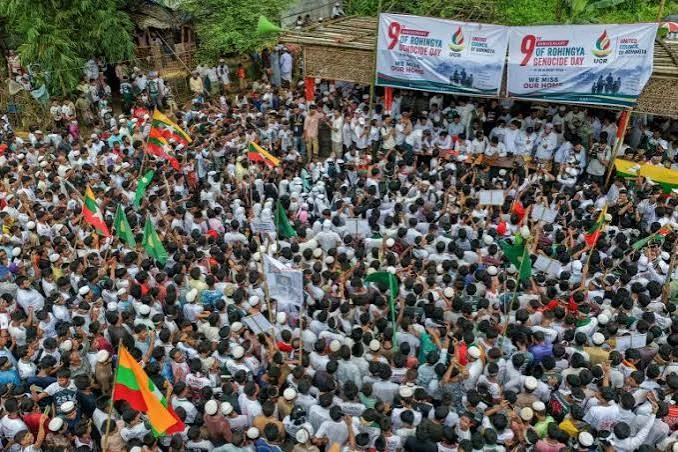
The International Court of Justice ruled by nine votes to six on Thursday 19 November that Myanmar committed genocide against the Rohingya in northern Rakhine State, in the case brought by The Gambia in 2019. It is the first time the court has held a state responsible for genocide. The judgment is final and cannot be appealed. This account comes from a single live report, which was still developing, and it did not include Myanmar's reaction or the dissenting judges' reasoning.
What the court found
The court said Myanmar's security forces killed thousands of Rohingya civilians, carried out widespread sexual violence and extreme violence against children, and attacked people fleeing to Bangladesh. It found four proven genocidal acts: mass killing, forced displacement, serious harm to the group and preventing births, including a forced birth control programme. It called genocidal intent the only reasonable inference from the widespread atrocities, aimed at destroying a substantial part of the group. It also held that Myanmar breached its duty to prevent genocide, because it should have known of the risk once armed civilians joined the campaign. The reporter said the presiding judge, Iwasawa, spoke of 10,000 killed, while the court's own wording was thousands.
Orders and what comes next
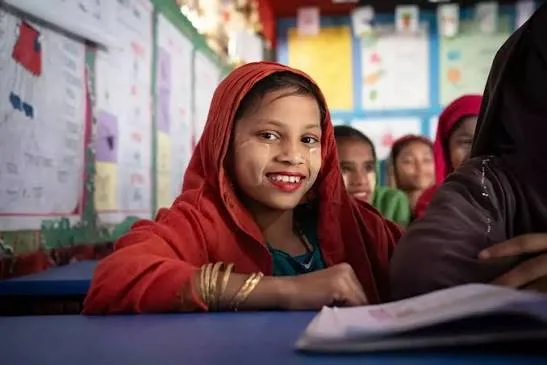
Myanmar must provide reparations and restitution, including helping Rohingya return safely and voluntarily, replacing or returning damaged communal property, searching for the disappeared and ensuring proper burials, providing physical and psychological rehabilitation and protecting the population from persecution. No sums or deadlines were reported. Myanmar says its crackdown answered attacks on police posts by the Arakan Rohingya Salvation Army, and that operation drove more than 730,000 Rohingya into Bangladesh. The UN counts more than 1.3 million Rohingya displaced across South and Southeast Asia, including 1.2 million in the Cox's Bazar camps. Amnesty International welcomed the ruling, and a human rights lawyer said enforcement depends on whether the matter goes to the UN Security Council and whether sanctions follow. The court cannot enforce its own judgments.