


The International Court of Justice in The Hague will deliver its judgment in The Gambia v. Myanmar on Thursday 19 November 2026. The ruling is final and cannot be appealed. The Gambia filed the case in November 2019, backed by the 57-member Organisation of Islamic Cooperation, accusing Myanmar of breaching the 1948 Genocide Convention, though it has no direct connection to the violence.
The legal question
The court must decide whether Myanmar intended to destroy the Rohingya as a group, which is needed to prove genocide; it judges states and not individuals. The Gambia cites killings, harm, birth-prevention measures and widespread sexual violence, and points to the brutality of the attacks, official tolerance of hate speech and failure to investigate abuses as evidence of intent. Myanmar denies the charge, says its forces were responding to armed attacks, argues there is no direct evidence of genocidal intent and disputes The Gambia's right to seek reparations for victims. The Gambia asks for prosecution of those responsible, safe return, restored property, recognition of the right to identify as Rohingya and compensation.
The stakes and the limits
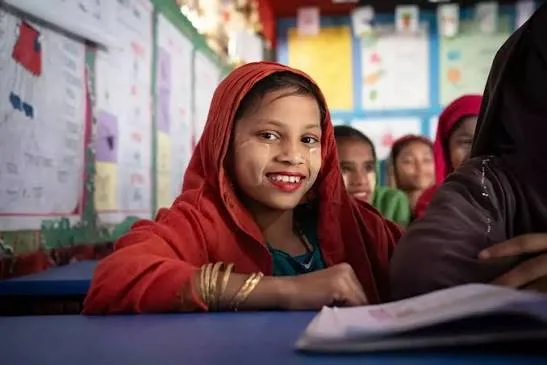
A military clearance operation in northern Rakhine State in August 2017 followed attacks by an armed Rohingya group, and more than 740,000 Rohingya fled to Bangladesh. About 1.2 million Rohingya now live as refugees in Bangladesh, mostly in Cox's Bazar camps, and about 520,000 remain in Myanmar, many under severe restrictions; aid cuts have worsened camp conditions. The court could find genocide or stop short, as it did in 2007 when it ruled that Serbia did not commit genocide in Bosnia but failed to prevent the Srebrenica massacre.
The court has no enforcement power. If Myanmar ignores the ruling The Gambia can ask the UN Security Council to act, but any permanent member can veto and China and Russia have shielded Myanmar there before. An analyst says conditions in Rakhine prevent any safe return. The ruling will be watched for its implications for South Africa's genocide case against Israel. The outcome was not known at the time of writing.